
Heat Detector
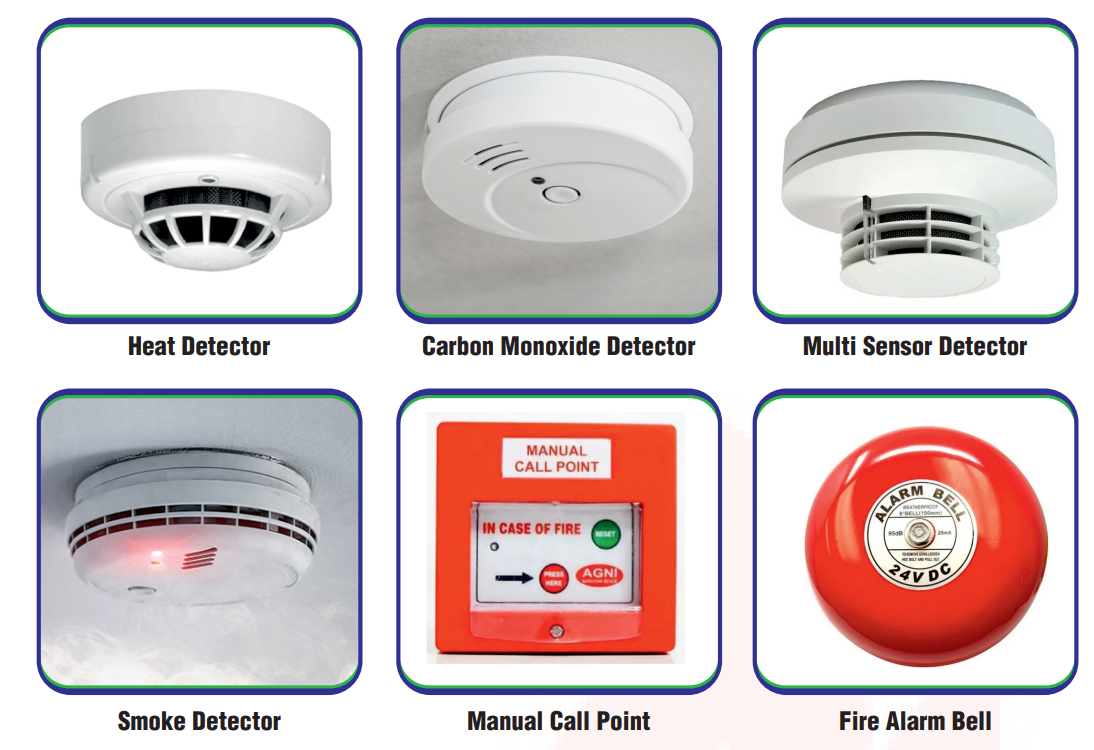
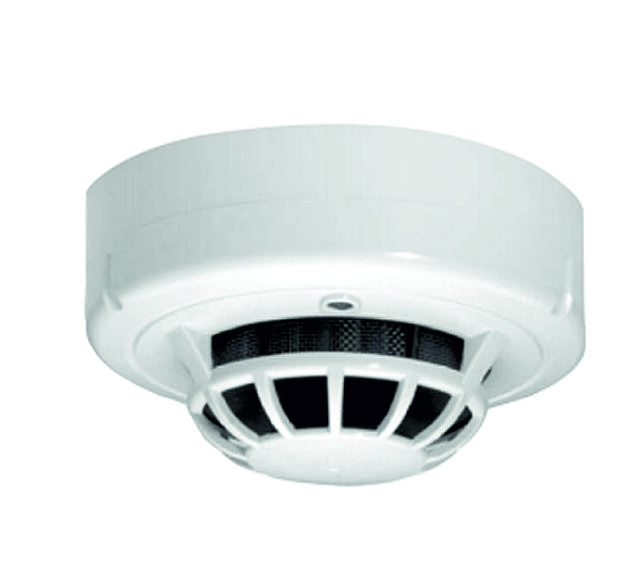
A heat detector is a fire alarm device designed to respond when the convected thermal energy of a fire increases the temperature of a heat sensitive element. The thermal mass and conductivity of the element regulate the rate flow of heat into the element. All heat detectors have this thermal lag.
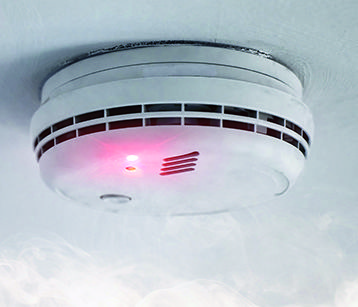
Smoke Detector
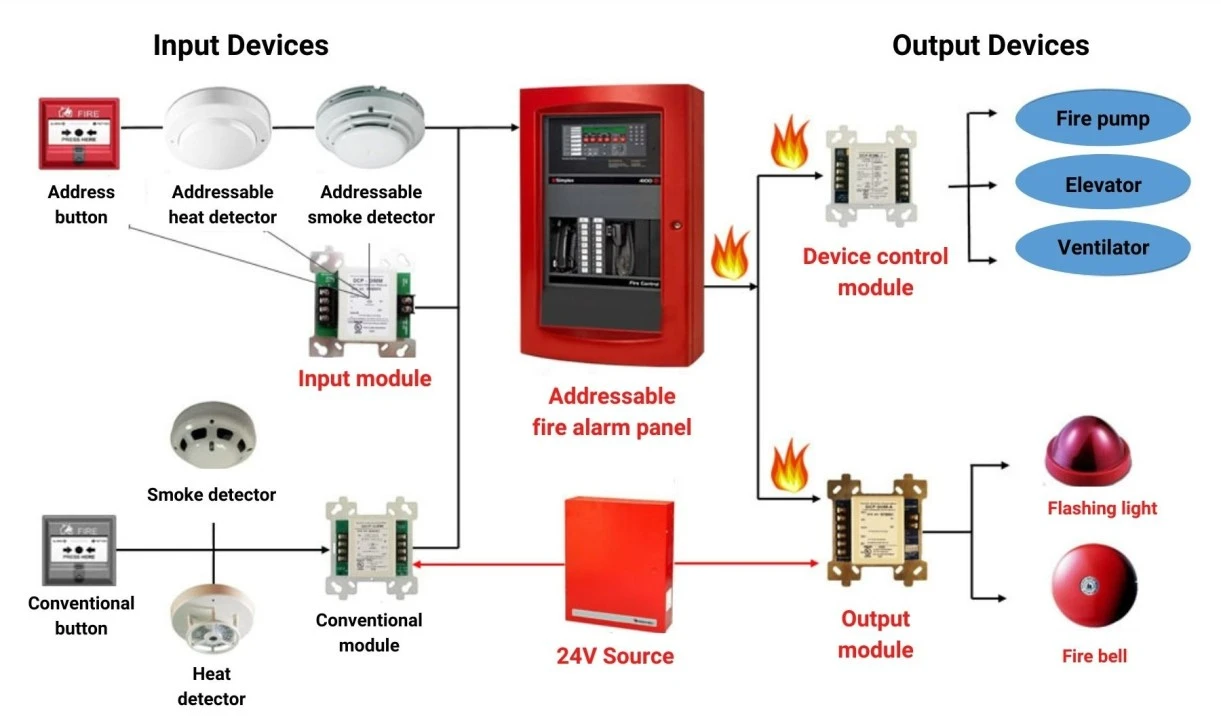
A smoke detector is a device that senses smoke, typically as an indicator of fire. Smoke detectors/alarms are usually housed in plastic enclosures, typically shaped like a disk about 125 millimetres (5 in) in diameter and 25 millimetres (1 in) thick, but shape and size vary. Smoke can be detected either optically (photoelectric) or by physical process (ionization). Detectors may use one or both sensing methods. Sensitive detectors can be used to detect and deter smoking in banned areas. Smoke detectors in large commercial and industrial buildings are usually connected to a central fire alarm system.
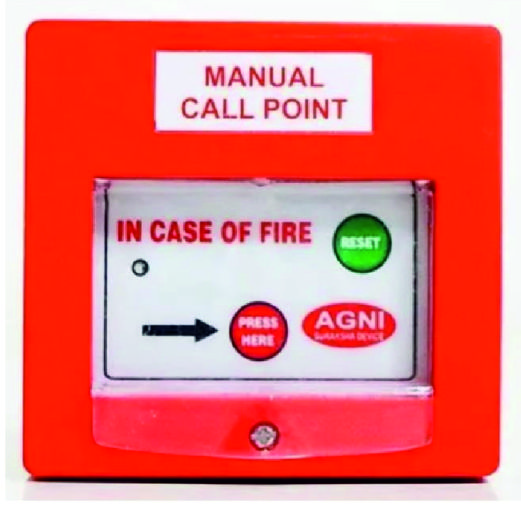
Manual Call Point
A manual call point (MCP) is a device that activates a fire alarm when pressed or when glass is broken. They are a key part of fire safety systems and are often located near exit doors.
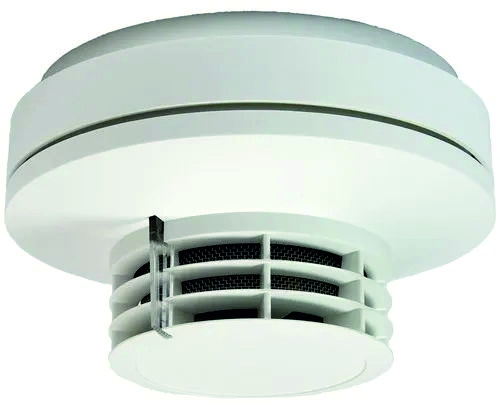
Multi Sensor Detector
Multisensor Smoke and Heat Detectors are a combined optical smoke and heat detector allowing flexibility in the detection of fires. Using the combined detection method, a fire condition can be confirmed if both heat and smoke sensors operate.
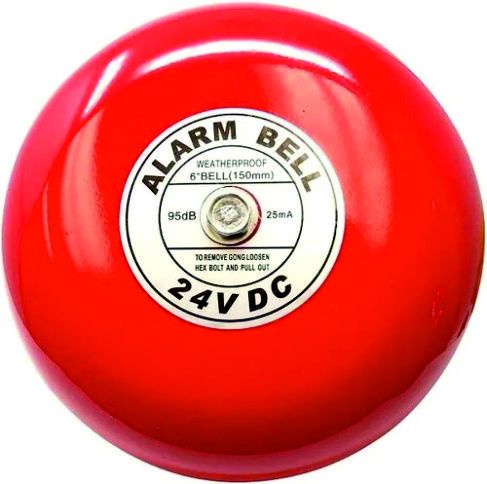
Fire Alarm Bell
A fire alarm system is a building system designed to detect, alert occupants, and alert emergency forces of the presence of fire, smoke, carbon monoxide, or other fire-related emergencies. Fire alarm systems are required in most commercial buildings
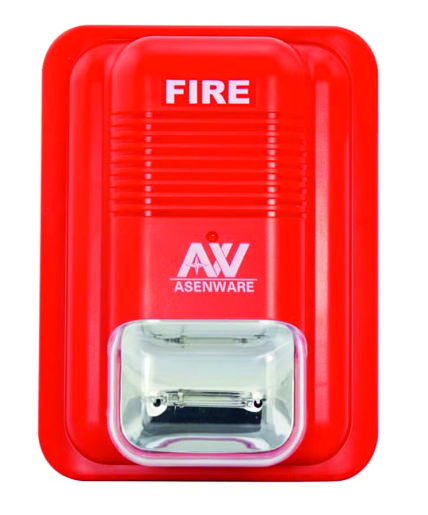
Sounder
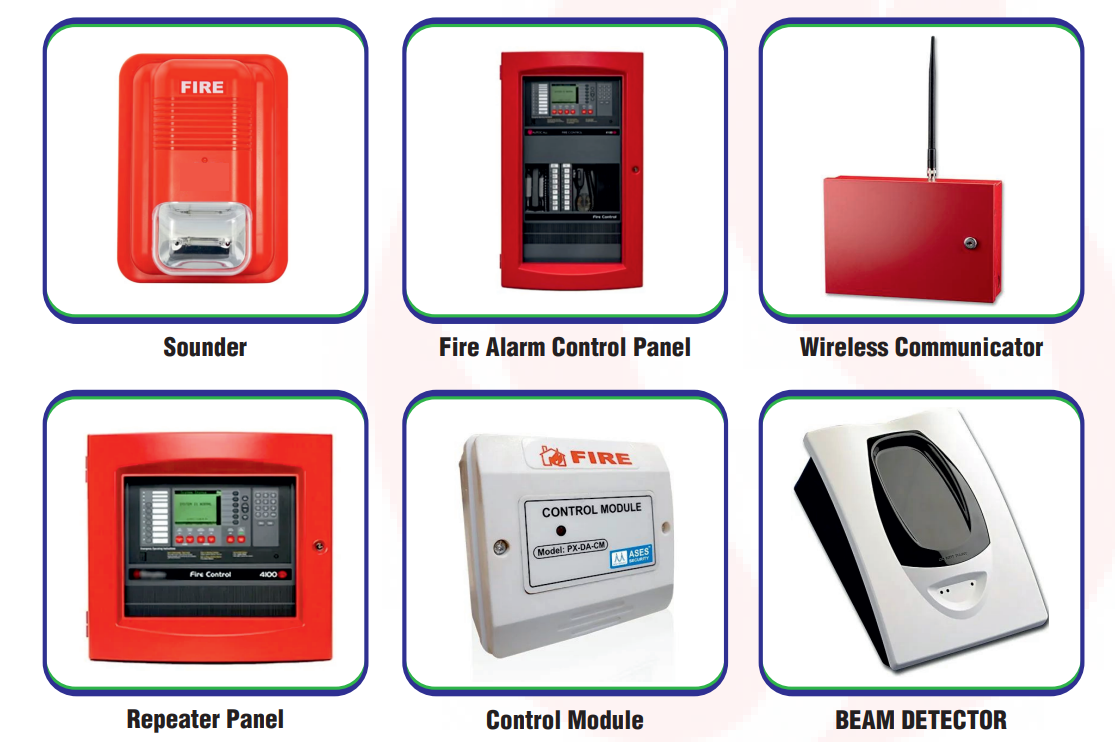
Fire alarm sounders are essential safety devices that are designed to alert occupants of a building in the event of a fire or other emergency. They are an audible part of a fire alarm system, and their primary function is to produce a loud sound to warn people to evacuate the building. A sounder typically produces a loud, distinctive sound that is easily recognizable as a fire alarm. It is usually mounted on the ceiling or wall, and it can be powered by electricity or battery. The sounder is connected to the fire alarm control panel, which is the brain of the fire alarm system.
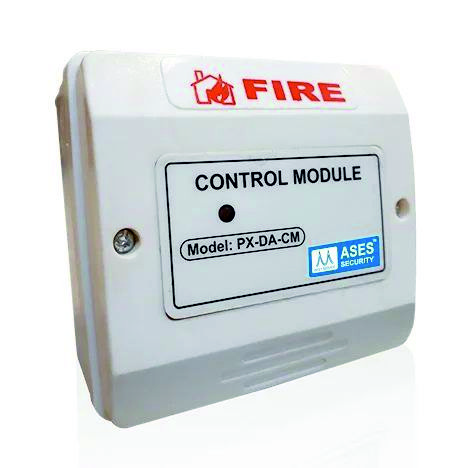
Control Module
Control modules communicate with the fire alarm control panel (FACP) through wiring or wireless protocols. They relay information about the status of connected devices, allowing the FACP to initiate appropriate actions such as sounding alarms and notifying authorities
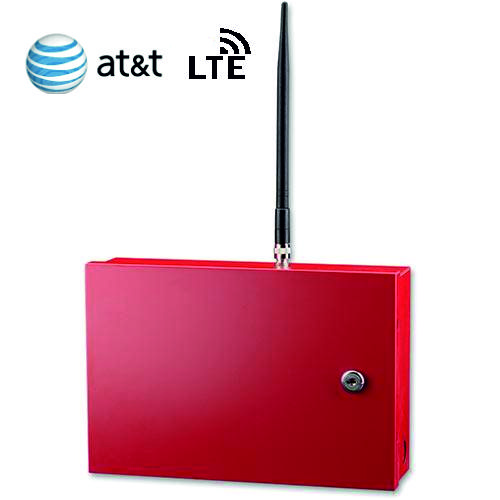
Wireless Communicator
Wireless communications is the transmission of voice and data without cable or wires. In place of a physical connection, data travels through electromagnetic signals broadcast from sending facilities to intermediate and end-user devices.
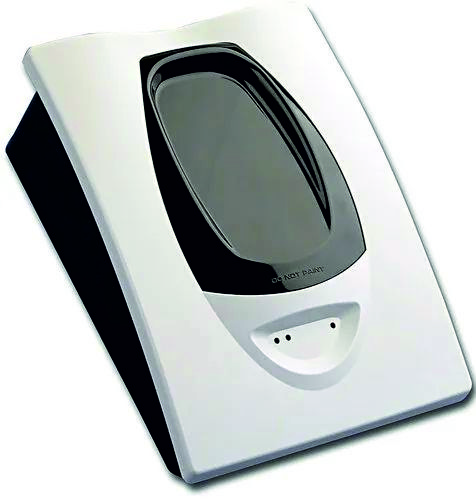
BEAM DETECTOR
A beam smoke detector is a device that consists of transmitter/receiver unit and a reflector. It transmits beam of light in order to detect smoke across large areas, wherein smoke is naturally a sign of fire. Beam smoke detector works on the principle of light obscuration, where there is a transmitter that emits beam and a beam receiver. If the presence of the smoke disrupts a certain percentage of beam light of the transmitted light, it will send signal to the panel that there is a fire. Beam smoke detectors area commonly used in area wherein standard point smoke detectors are not economical or efficient to use.
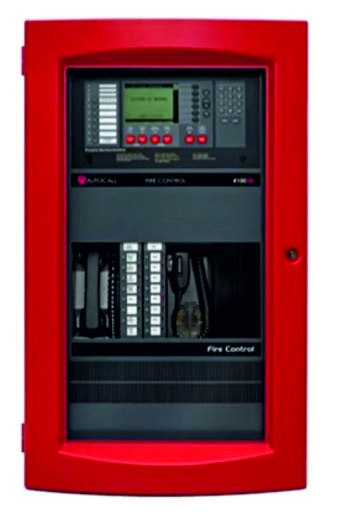
Fire Alarm Control Panel
A fire alarm control panel (FACP), fire alarm control unit (FACU), fire indicator panel (FIP), or simply fire alarm panel is the controlling component of a fire alarm system. The panel receives information from devices designed to detect and report fires, monitors their operational integrity, and provides for automatic control of equipment, and transmission of information necessary to prepare the facility for fire based on a predetermined sequence. The panel may also supply electrical energy to operate any associated initiating device, notification appliance, control, transmitter, or relay. There are four basic types of panels: coded panels, conventional panels, addressable panels, and multiplex systems.
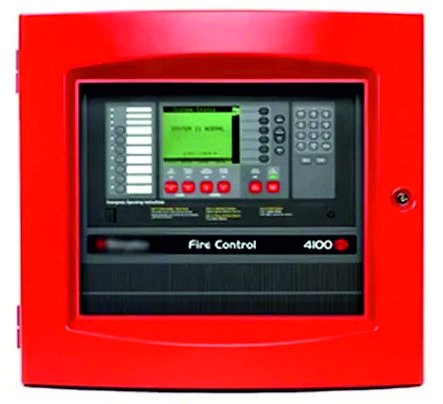
Repeater Panel
Repeater panel is designed to provide full indication of events and controls of the main control panel installed in a different location and is updated through the network. It allows the user to remotely reset the main fire alarm system, silence sounders and initiate evacuation. Advantage of networking capability offers the flexibility of remote monitoring of network panels that simplifies maintenance in a cost effective manner.